

Introducing C++ / Представляем C++
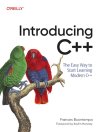
Год издания: 2026
Автор: Buontempo Frances / Буонтемпо Фрэнсис
Язык: Английский
Формат: PDF/EPUB
Издательский макет
Интерактивное оглавление
Количество страниц: 348

 dumpz.ws
Описание:
dumpz.ws
Описание:
You know how to code, but you’re ready to level up. You’ve heard about the power and performance of C++, a language vital to fields like AI, game development, and high-performance computing. But where do you even start? Existing resources are outdated or overly academic, or they assume a deep understanding of C. You need a guide that respects your existing skills and gets you coding fast with modern C++.
This book cuts through the noise, focusing on the essential elements of C++ with hands-on projects that quickly build your skills and confidence. Author and C++ expert Frances Buontempo gets you up to speed quickly with the latest features and best practices of the language, preparing you for more advanced exploration.
Write clean and efficient C++ code
Understand core concepts and syntax
Apply various programming approaches, from OOP to functional styles
Read and understand complex C++ definitions and resources
Вы умеете программировать, но готовы повышать свой уровень. Вы слышали о мощи и производительности C++, языка, жизненно важного для таких областей, как искусственный интеллект, разработка игр и высокопроизводительные вычисления. Но с чего вы вообще начнете? Существующие ресурсы устарели или слишком академичны, либо предполагают глубокое понимание языка C. Вам нужно руководство, которое учитывает ваши существующие навыки и поможет вам быстро писать на современном C++.
Эта книга позволяет преодолеть шум, сосредоточившись на основных элементах C++ и практических проектах, которые быстро укрепят ваши навыки и уверенность в себе. Автор и эксперт по C++ Фрэнсис Буонтемпо быстро ознакомит вас с новейшими функциями и передовыми практиками языка, подготовив к более глубокому изучению.
Пишите чистый и эффективный код на C++
Разбирайтесь в основных концепциях и синтаксисе
Применяйте различные подходы к программированию, от ООП до функциональных стилей.
Читать и понимать сложные определения и ресурсы C++
dumpz.ws
Год издания: 2026
Автор: Buontempo Frances / Буонтемпо Фрэнсис
Язык: Английский
Формат: PDF/EPUB
Издательский макет
Интерактивное оглавление
Количество страниц: 348
Buontempo Frances - Introducing C++ (2026)
Introducing C++ / Представляем C++ Год издания: 2026 Автор: Buontempo Frances / Буонтемпо Фрэнсис Язык: Английский Формат: PDF/EPUB Издательский макет Интерактивное оглавление Количество страниц: 348 Описание: You know how to code, but you’re ready to level up. You’ve heard about the power and...
You know how to code, but you’re ready to level up. You’ve heard about the power and performance of C++, a language vital to fields like AI, game development, and high-performance computing. But where do you even start? Existing resources are outdated or overly academic, or they assume a deep understanding of C. You need a guide that respects your existing skills and gets you coding fast with modern C++.
This book cuts through the noise, focusing on the essential elements of C++ with hands-on projects that quickly build your skills and confidence. Author and C++ expert Frances Buontempo gets you up to speed quickly with the latest features and best practices of the language, preparing you for more advanced exploration.
Write clean and efficient C++ code
Understand core concepts and syntax
Apply various programming approaches, from OOP to functional styles
Read and understand complex C++ definitions and resources
Вы умеете программировать, но готовы повышать свой уровень. Вы слышали о мощи и производительности C++, языка, жизненно важного для таких областей, как искусственный интеллект, разработка игр и высокопроизводительные вычисления. Но с чего вы вообще начнете? Существующие ресурсы устарели или слишком академичны, либо предполагают глубокое понимание языка C. Вам нужно руководство, которое учитывает ваши существующие навыки и поможет вам быстро писать на современном C++.
Эта книга позволяет преодолеть шум, сосредоточившись на основных элементах C++ и практических проектах, которые быстро укрепят ваши навыки и уверенность в себе. Автор и эксперт по C++ Фрэнсис Буонтемпо быстро ознакомит вас с новейшими функциями и передовыми практиками языка, подготовив к более глубокому изучению.
Пишите чистый и эффективный код на C++
Разбирайтесь в основных концепциях и синтаксисе
Применяйте различные подходы к программированию, от ООП до функциональных стилей.
Читать и понимать сложные определения и ресурсы C++
Скрытое содержимое могут видеть только пользователи групп(ы): Premium, Местный, Свои
 rintln 187